Easter 2025: Global Traditions and Renewal
Introduction
Easter Sunday in 2025 fell on April 20, drawing millions into a tapestry of rituals that blended ancient symbols with modern fervor across continents. From dawn processions in Jerusalem's Old City to egg-rolling contests on the White House lawn, the holiday marked not just Christian resurrection but a global affirmation of spring's vitality. Celebrations peaked with record attendance at services worldwide, as communities revived traditions amid shifting climates and cultural exchanges. This convergence highlighted Easter 2025 as a pivotal moment where faith intersected with seasonal renewal, pulling in diverse participants from secular families to devout congregations.
Roots trace back through centuries, where pagan Easter influences—fertility rites from pre-Christian Europe—melded with biblical narratives. Germanic goddess Eostre's symbols, like hares and eggs, endured in today's easter eggs hunts, now digitized in apps and virtual realities. In 2025, these elements surfaced vividly: Poland's blessing of food baskets included painted eggs echoing pagan easter motifs, while Australia's beachside barbecues fused Christian liturgy with indigenous spring dances. Such hybrids revealed the holiday's adaptability, fostering unity in fragmented times.
Readers seeking deeper insight will find here a structured exploration of Easter 2025's global scope. Unpack religious cores, cultural variations, symbolic depths, modern adaptations, and historical threads. Gain practical understanding of rituals' evolutions, from pagan easter origins to contemporary expressions. For enthusiasts tracking cultural shifts, like those following channels such as teez888 for timely updates, this account equips you with context to appreciate the holiday's enduring power. Discover how easter eggs embody renewal, bridging past and present in unexpected ways.
Religious Significance of Easter 2025
Core Christian Observance
Churches worldwide centered Easter 2025 on Christ's resurrection, with vigils extending past midnight in cathedrals from Vatican City to Ethiopian highlands. Holy Week culminated in sunrise services, emphasizing themes of sacrifice and rebirth central to the faith.
Lent and Preparation Rituals
The 40-day Lenten fast preceded Easter 2025, prompting abstinence from meat and luxuries. Palm Sunday processions reenacted Jesus' entry into Jerusalem, setting a penitential tone resolved by Easter joy.
Ecumenical Gatherings
Interfaith dialogues peaked during Easter 2025, uniting Orthodox and Catholic observances despite calendar variances. Joint prayers in places like Germany underscored shared resurrection hopes.
Global Cultural Variations
European Festivities
Spain's Semana Santa featured hooded penitents carrying ornate floats through Seville streets, a spectacle drawing over two million spectators in 2025. Greece burned Judas effigies amid fireworks, blending solemnity with communal release.
- Italy: Pasqua processions with olive branches.
- Poland: Swieconka baskets blessed with dyed eggs.
Traditions in the Americas
Mexico's vibrant carpets of colored sawdust adorned streets for Easter 2025 reenactments of the Passion. In the U.S., community egg hunts filled parks, evolving from 19th-century imports.
Asian and African Adaptations
Philippines hosted world's largest flags during Black Nazarene processions leading to Easter 2025. Egypt's Coptic Christians fasted until midnight, breaking with feasts under full moons.
Symbolism of Easter Eggs
Historical Origins
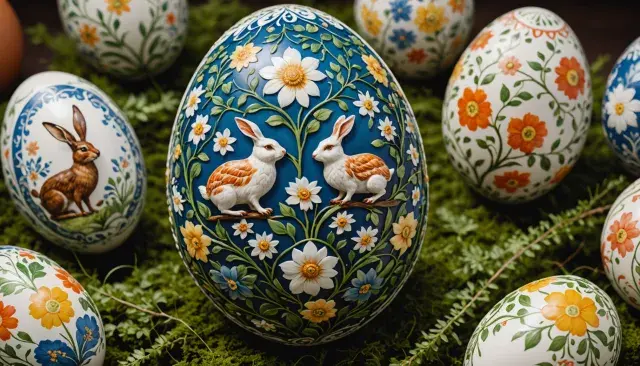
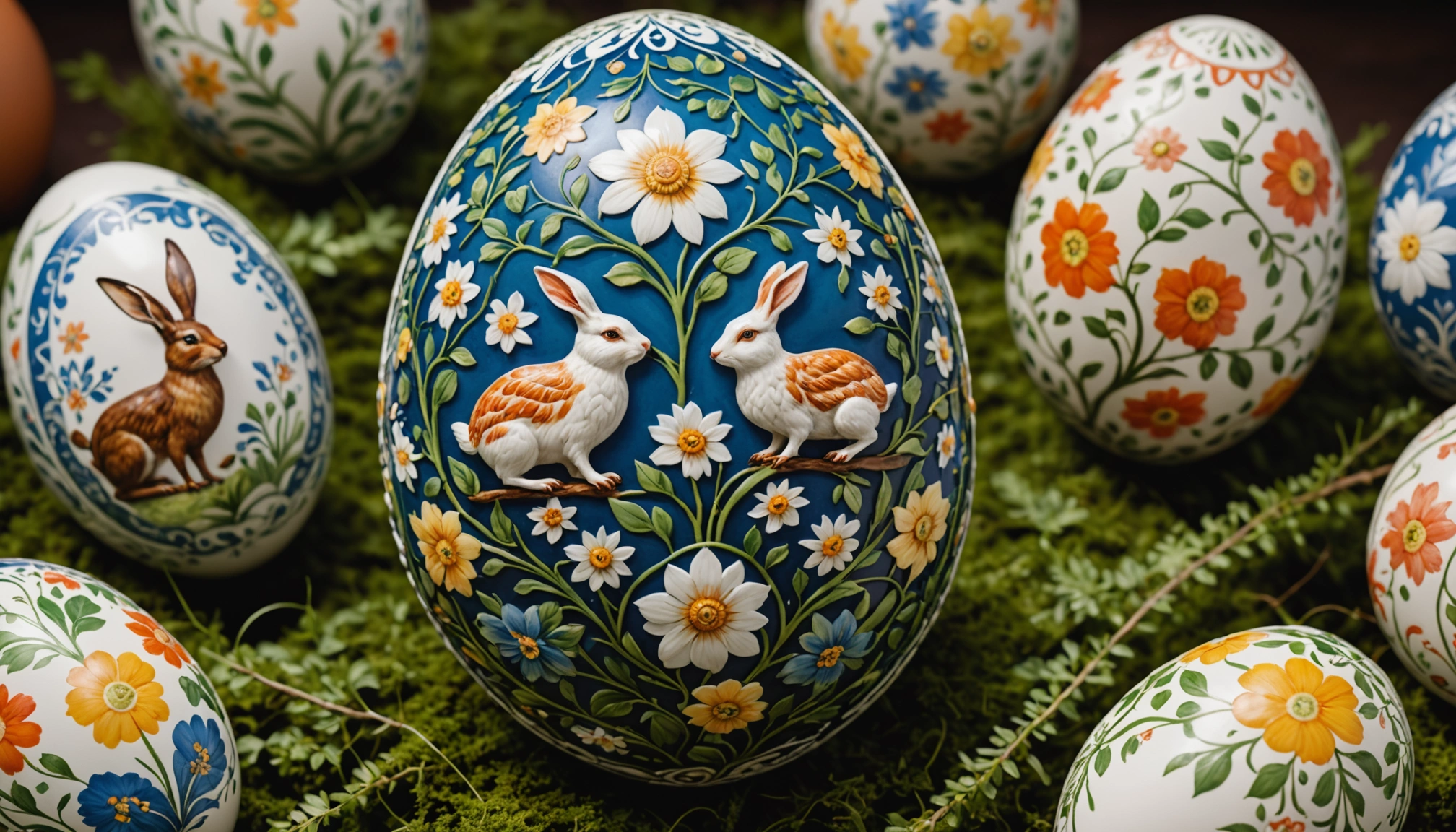
Easter eggs originated as pagan easter fertility emblems, representing new life in spring rituals across Mesopotamia and Persia. Christians later adopted them, red-dyeing to symbolize Christ's blood.
Modern Decorating Practices
In 2025, Ukrainian pysanky featured intricate wax-resist patterns, preserving pagan easter motifs amid war recovery. Families worldwide used natural dyes from onion skins and beets.
- Hollowed eggs for longevity.
- Fabergé-inspired jewels in elite circles.
Cultural Interpretations
China's Easter 2025 events incorporated dragon eggs, fusing Christian symbols with local mythology. These vessels carried wishes, echoing universal renewal themes.
Pagan Roots and Their Influence
Pre-Christian Spring Festivals
Pagan Easter celebrations honored deities like Eostre, with bonfires and dawn rites marking equinox. These solstice honors shaped Easter 2025's timing and symbols.
Syncretism with Christianity
Early missionaries overlaid resurrection stories on pagan easter festivals, ensuring smoother conversions. Hares, symbols of prolificacy, joined easter eggs as enduring icons.
Contemporary Revivals
Neopagan groups in 2025 held Ostara gatherings, mirroring ancient equinox joys without Christian overlays. Such events highlighted pagan easter legacies in secular contexts.
Modern Adaptations in Easter 2025
Digital and Virtual Celebrations
Apps enabled global easter eggs hunts in augmented reality during Easter 2025, engaging remote participants. Livestreamed masses reached billions, expanding access.
Sustainable and Inclusive Practices
Eco-friendly dyes and plant-based feasts marked progressive shifts. Vegan alternatives honored traditional fasts while addressing climate concerns.
Commercial and Community Events
Markets sold artisanal easter eggs, boosting local economies. Parades in New Orleans mixed jazz with religious floats, drawing diverse crowds.
Historical Evolution
From Early Church to Middle Ages
Constantine's 325 Council standardized Easter dating, yet pagan easter elements persisted in folk customs. Medieval mystery plays dramatized the resurrection.
Reformation Impacts
Protestants stripped ornate rituals, focusing on scripture, yet easter eggs endured as family traditions across denominations.
20th-Century Global Spread
Post-WWII migrations diversified practices, with Easter 2025 reflecting multicultural fusions in urban centers.
When did Easter 2025 occur?
Easter Sunday fell on April 20, 2025, following the first full moon after the spring equinox. This lunar calculation aligns Western churches, differing from Orthodox dates.
What are the pagan origins of Easter eggs?
Easter eggs stem from ancient spring fertility symbols in pagan easter rites, where decorated shells represented rebirth. Christians repurposed them for resurrection themes, a practice dating to medieval Europe.
How do Easter celebrations differ in Orthodox countries?
Orthodox Easter 2025 occurred on May 4, using the Julian calendar. Traditions include midnight liturgies and red eggs cracked together for blessing.
Why are rabbits associated with Easter?
Rabbits symbolize fertility from pagan easter lore tied to Eostre. German immigrants brought the "Osterhase" to America in the 1700s, evolving into egg-delivering figures.
Are there eco-friendly ways to celebrate Easter 2025?
Use natural dyes from vegetables and reusable decorations. Opt for community plantings instead of plastic eggs to honor spring renewal sustainably.
How has COVID-19 changed Easter traditions?
Hybrid online-offline formats persisted post-2025, with drive-thru blessings and virtual hunts ensuring safety while maintaining communal spirit.