Culture of the North: Yurt Settlements, Traditional Way of Life, Cultural Heritage, National Customs, Northern Peoples, Folklore Practices
Introduction
Across the vast tundra and taiga of Siberia and the Russian Far North, yurt settlements endure as living testaments to human adaptation. These portable dwellings, framed with birch poles and covered in reindeer hides or heavy felt, house northern peoples like the Nenets, Evenks, and Chukchi through subzero winters and fleeting summers. Nomadic herders pitch them in precise circles, aligning entrances to catch prevailing winds, a practice refined over millennia. This resilience defines the traditional way of life, where every object—from carved bone tools to embroidered boots—serves survival and story.
Yet modernization presses in: oil rigs dot the horizon, and young families weigh asphalt roads against ancestral paths. Cultural heritage hangs in the balance, with national customs like shamanic rituals and epic chants fading from daily rhythms. Folklore practices, once whispered around hearth fires, now compete with satellite TV signals. Readers drawn to ethnography, travel, or indigenous rights seek more than postcards; they want the mechanics of endurance, the poetry of place. This article unpacks yurt settlements as anchors of identity, traces the traditional way of life through seasons and rituals, and catalogs cultural heritage from sacred sites to seasonal festivals. It spotlights northern peoples' national customs—throat singing, bear ceremonies—and folklore practices that encode cosmology in myth and melody. Practical insights emerge: how to respect hosts, what artifacts reveal history. Northern cultures offer not relics, but strategies for harmony with harsh lands, lessons for a warming world.
Explore these threads to grasp why yurt flaps still beckon wanderers, and how folklore practices bind generations amid flux.
Yurt Settlements: Architecture of Survival
Design and Construction Principles
Yurt settlements cluster in river valleys or coastal flats, where northern peoples position them for wind protection and herd access. The classic design features a lattice wall (kerege) that folds accordion-style for transport by reindeer sled. At the apex, a circular crown (shangyrak) admits light and smoke, symbolizing the sky dome in folklore practices. Felt layers, boiled from mare's wool or reindeer underfur, insulate against -50°C blasts; a single yurt weighs 200-300 kg when packed.
Evenks and Yakuts erect a frame in 30 minutes using no nails—poles slot into place via notches honed by tradition. This portability suits the traditional way of life, enabling 100-200 km annual migrations.
Settlement Layout and Modern Adaptations
Families form rings of 5-20 yurts, with a central corral for reindeer. Elders' dwellings face east, honoring dawn in national customs. Contemporary hybrids blend metal stoves and solar panels, preserving cultural heritage while easing fuel hunts.
- Reindeer pens adjoin entrances for quick calving watches.
- Guest yurts sit downwind, enforcing hospitality codes.
- Winter clusters tighten against blizzards; summer spreads for drying meat.
Role in Community Life
Yurts host rites marking births, marriages, and deaths, central to folklore practices. Inside, layered rugs depict clan totems, teaching cosmology to children. These spaces sustain social bonds among northern peoples, where walls whisper genealogies.
Traditional Way of Life: Rhythms of Nomadism
Seasonal Migration Patterns
Northern peoples follow reindeer herds across 10,000 sq km ranges. Spring thaws prompt coastal moves for calving; autumn drives inland for lichen-rich moss. Nenets cover 30 km daily on skis or sleds, timing arrivals by star positions embedded in folklore practices.
This cycle dictates the traditional way of life, syncing human needs with animal forage.
Daily Routines and Resource Use
Men spear fish through ice holes and wrestle calves for marking; women tan hides and sew parkas from sinew thread. Blood from fresh kills nourishes stews simmered over dung fires. Tools multiply uses: a bone awl doubles as tattoo needle for protective motifs.
Efficiency rules—no waste in a land yielding 100 frost-free days yearly.
Family and Gender Roles
Patriarchs lead migrations, but women command hearth knowledge, brewing teas from willow bark for fevers. Children apprentice early, herding fawns by age five. These roles, rooted in national customs, ensure collective survival.
Northern Peoples: Diversity and Resilience
Key Ethnic Groups and Languages
Nenets speak Samoyedic tongues laced with reindeer terms—over 40 words for hide types. Chukchi blend maritime hunting with reindeer pastoralism; Evenks navigate taiga on horseback. Each group numbers 20,000-50,000, preserving dialects amid Russian dominance.
Northern peoples share Uralic and Paleo-Siberian roots, adapting uniquely to biomes.
Interactions with Environment
They read snow textures for wolf tracks, predict storms from cloud halos. Reindeer provide 90% of needs: milk ferments into cheese, antlers carve knives. Sustainable culls prevent overgrazing, a principle in cultural heritage.
Challenges from Industrialization
Pipeline routes fragment pastures; climate shifts melt permafrost, flooding camps. Northern peoples negotiate land rights, blending advocacy with ancestral laws.
Cultural Heritage: Tangible and Intangible Treasures
Sacred Sites and Artifacts
Petroglyphs on Yamal cliffs depict shamans battling spirits, dated 3,000 years old. Bone idols, etched with clan signs, guard yurts. Museums in Salekhard house these, but replicas stay in settlements for rituals.
Cultural heritage manifests in objects encoding history.
Festivals and Ceremonies
Reindeer Herder's Day draws thousands for races and joik chants—throaty, improvisational songs. Bear festivals honor slain animals with feasts, returning skulls to forests per national customs.
Preservation Efforts
UNESCO lists Nenets epic poetry; local schools teach hideworking. Digital archives capture elders' tales, safeguarding intangible cultural heritage.
National Customs: Rituals Binding Society
Life Cycle Ceremonies
Newborns receive names via smoke-divination; weddings seal with bride-price reindeer. Funerals expose bodies on platforms for ravens, souls ascending clean. These national customs reinforce kinship.
- Betrothals at age 12 ensure alliances.
- Hunting taboos spare pregnant does.
- Guest codes demand fattest marrow shares.
Hospitality and Social Norms
Strangers enter yurts unbidden, offered milk tea first. Disputes settle via stick-pulling contests, testing grip strength. Customs prioritize group over self.
Shamanism and Spirituality
Shamans drum to summon spirits, curing ailments with herb poultices. Trances reveal lost reindeer, blending healing with foresight in northern peoples' worldview.
Folklore Practices: Myths Shaping Worldview
Epic Narratives and Oral Traditions
Nenets epics like the Syudbabts cycle span days, sung by firelight. Heroes wrestle frost giants; morals warn against greed. These folklore practices transmit ethics across illiterate generations.
Symbols and Motifs in Art
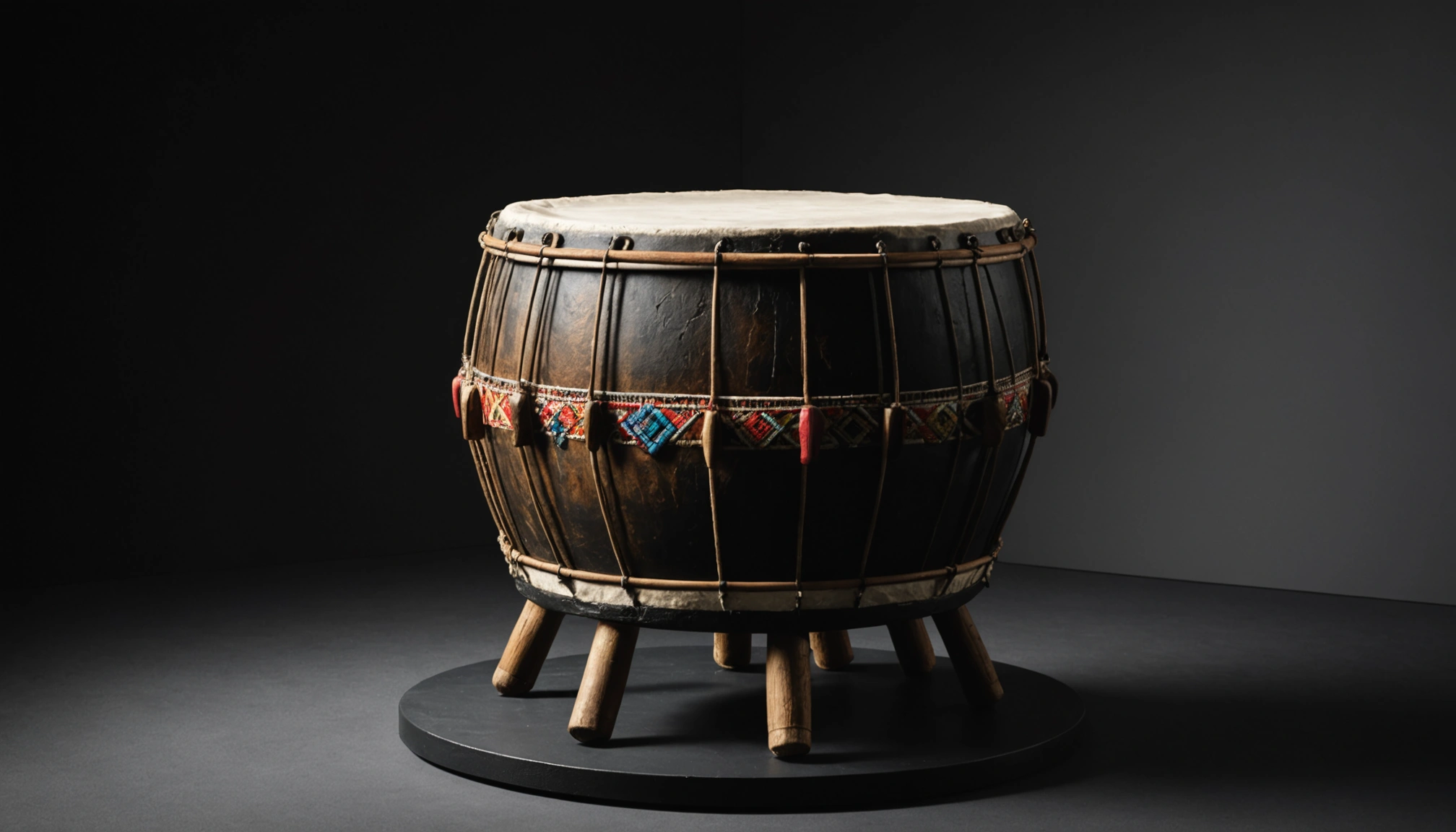
Drum skins paint cosmic trees linking underworld and sky. Beadwork on boots mimics aurora swirls, invoking protection. Patterns encode totems—swans for Evenks, wolves for Chukchi.
Contemporary Revival
Festivals stage puppet shows of old tales; apps record chants. Folklore practices evolve, sustaining identity.
Frequently Asked Questions
Can visitors stay in a traditional yurt settlement?
Yes, with invitations from herder families via local tour operators. Expect shared meals and chores; bring gifts like tea or knives. Respect rules—no photos during rituals, remove boots inside.
What do northern peoples eat daily?
Reindeer meat dominates: boiled ribs, blood pancakes, dried sausages. Fish dries on racks; berries and roots supplement in summer. Fermented milk provides probiotics against cold.
How has climate change affected yurt life?
Thinner ice strands migrations; denser mosquitoes stress herds. Northern peoples shift routes northward, adopting GPS alongside star navigation.
Are shamanic practices still active?
Actively, for healing and prophecy. Modern shamans incorporate clinic visits but prioritize spiritual diagnostics first.
What clothing do northern peoples wear?
Mantles of reindeer fur, hooded and boot-attached, shed layers seasonally. Women add embroidered aprons signaling status; all gear repels water via fat greases.
How do children learn folklore practices?
Through mimicry at campfires and apprenticeships. Elders compose new verses incorporating events like floods, keeping traditions dynamic.